
Teaching and The Teacher
It is easy to become a teacher, but difficult to become a pupil.
Pir-o-Murshid Inayat Khan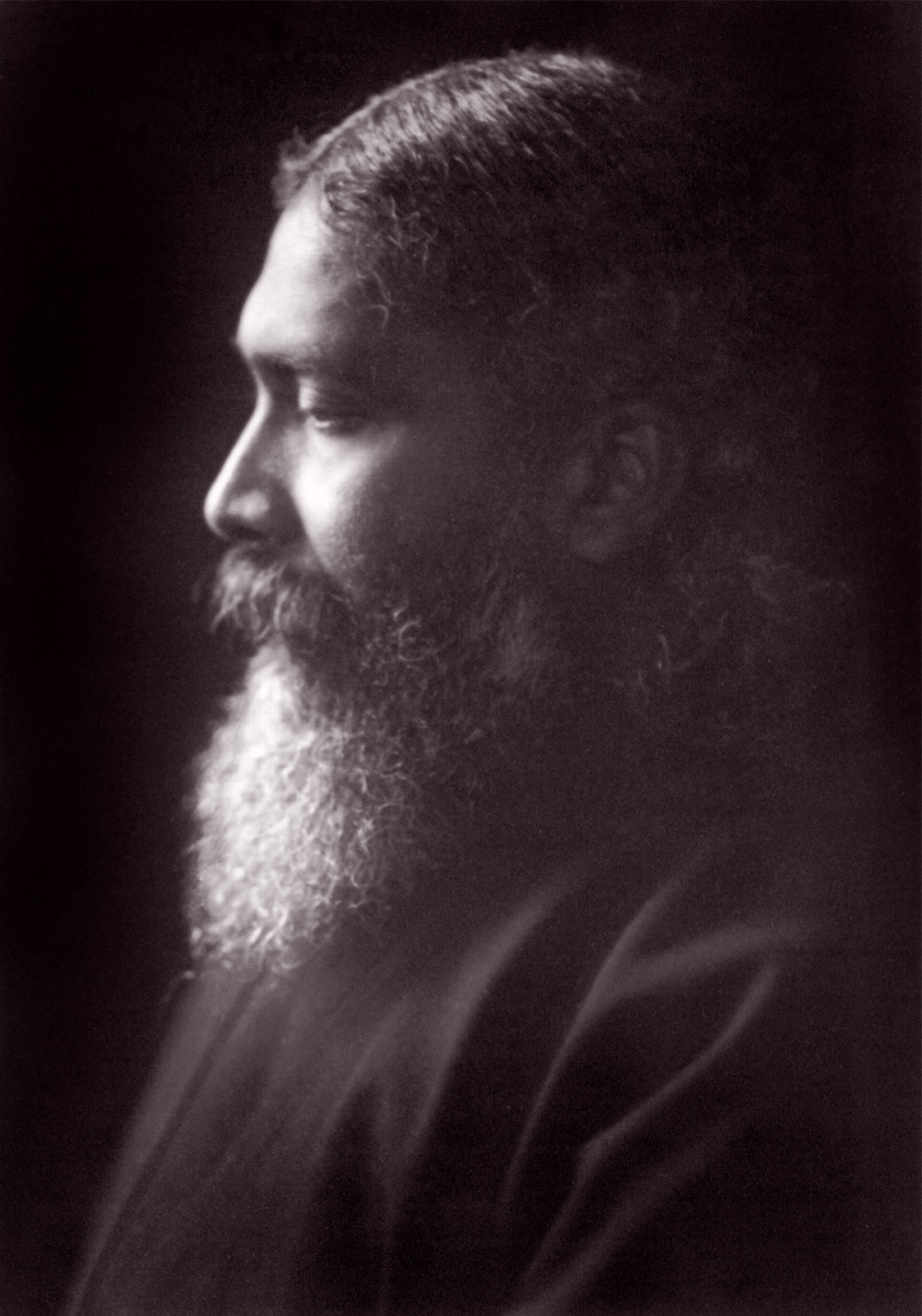
There is one Teacher, God Himself; we are all His pupils. (From the book, Volume VI - The Alchemy of Happiness, by Hazrat Inayat Khan)
The principal teaching of Sufism is that of learning to become a pupil, for it is the pupil who has a chance of becoming a teacher, and once a person considers that he is a teacher, his responsiveness is gone. The greatest teachers of the world have been the greatest pupils. (From the book, The Unity of Religious Ideals, by Hazrat Inayat Khan)
The teacher, however great, can never give his knowledge to the pupil; the pupil must create his own knowledge. (From the Bowl of Saki, September 19, by Hazrat Inayat Khan)
The work of a mystical teacher is not to teach, but to tune, to tune the pupil so that he may become the instrument of God. For the mystical teacher is not the player of the instrument; he is the tuner. When he has tuned it, he gives it into the hands of the Player whose instrument it is to play. The duty of the mystical teacher is his service as a tuner. (From Message Volume 10-Sufi Mysticism, in the chapter "The Meaning of Initiation", by Hazrat Inayat Khan)
We start our lives as teachers, and it is very hard for us to learn to become pupils. There are many whose only difficulty in life is that they are teachers already. What we have to learn is pupilship. There is but one Teacher, God Himself. (From The Bowl of Saki, October 30, by Hazrat Inayat Khan)
It is easy to become a teacher, but difficult to become a pupil. (From the book, Sayings (under Boulas), by Hazrat Inayat Khan)
We can learn virtue even from the greatest sinner if we consider him as a teacher. (From The Bowl of Saki, July 22, by Hazrat Inayat Khan)
The idea of 'a Murshid' (teacher) is not a case of giving his knowledge to someone else. It is not possible to give one's knowledge that way. So he does not pretend to be able to do that or profess to do that. His work is to help another person to find out for himself; to develop himself; to discover for himself what is true and what is not. There are no doctrines to impart. There are no principles to lay down. There are no tenets to which the lives of his pupils must be restricted. He is just a guide along the path. He is the one who kindles the light that is already in the pupil. He does not stand before the pupil as a priest; he is as a brother, colleague, friend. Being just a human person he is limited exactly as the pupil is; he is as liable to make mistakes and to have failures as anyone else. He enjoys no special authority, nor is he as one apart in holiness. "I am not more holy than such and such a person. If he is not holy, no more am I." He is not distinctive in such a respect. No, the Murshid is the friend of the mureed (pupil); he is a friend on a path which the mureed has not yet trodden.
So he can advise him if the mureed desires to be guided; he can be his friend when the mureed desires him to be a friend. He can solve his problem. He can show him how to understand for himself what life is; he can show him what Truth is and how to attain to it. The sage in the East is everywhere regarded with respect, whether he be a Murshid, a sadhu, a sanyassi, or sant. The name is of no significance. You will hear that Hindus and sanyassins and Buddhist sages are all different from one another. Well, that is true.
They can be different just as in Western countries there are differences in the churches. For all that, there is really no difference between sadhu, sanyassi, and sant. Both Hindu and Muslim will bow before the sage, whether he be Buddhist, Vedantic, or Sufi. (From The Supplementary Papers, The Life of the Sage in the East (2))
The murshid sets far greater stress on the life of his mureed than on the punctuality of his meditation. He teaches that it is of far greater importance to cultivate in one's life attributes such as kindness, gentleness, and love. It is when the mureed fails in this that the murshid is unable to inspire him, for the mureed is standing in his own light. (From Message Volume V - Spiritual Liberty, The Murshid, by Hazrat Inayat Khan)
The responsibility of the teacher is to develop the personality of the mureed, that it may reflect God, that it may show God's qualities; and when that is done then the responsibility of the teacher is over. (From Message Volume XI - Philosophy, Psychology and Mysticism, Nature and Characterin the chapter "Sufism", by Hazrat Inayat Khan)
The first work and responsibility of the teacher is to train a pupil first to become a pupil. For it is the full qualification in pupilship which alone is teachership. Unless the pupil has realized this he cannot really profit by any teaching given to him.